

Ecommerce · MTOweb
Ecommerce development.
From the catalogue to every order.
We design ecommerce and online stores to sell and manage the work following a purchase: products, availability, orders and connections to business tools.
01 / Sales and operations
Your store starts
with your activities.
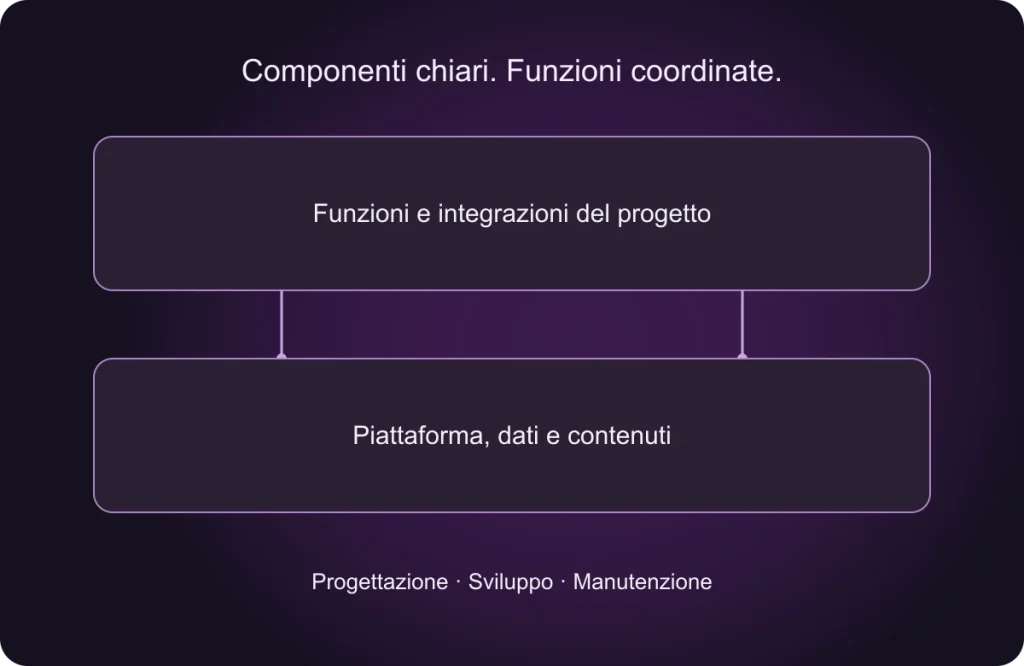
An online store needs to make what you sell clear and support the people preparing products, handling orders and answering customers. We therefore analyse shopping experience and operational management together, before choosing visuals and a platform.
For a new store, we define the activities to establish. For an existing store, we assess improvements: navigation, mobile purchasing, catalogue updates or manual steps between systems.
Shopping experience
Categories, search, product pages, cart and checkout that are usable on smartphones too.
Operational management
Products and variants, availability, orders, promotions and communications according to agreed rules.

02 / Platform and customisation
PrestaShop as a foundation.
Or a custom online store.
PrestaShop is our starting point for many online stores. We can customise it with modules and dedicated development, or build a fully custom online store, designing features, interfaces and integrations for the project’s needs.
The two approaches involve different tasks, timescales and budgets. During analysis, we compare alternatives and define a suitable approach, clarifying structure, visuals, development, configuration and checks.
03 / Payments and integrations
Payments, delivery
and connected systems.
Payment methods, delivery and store rules need to fit the purchase journey. We agree the required configuration and distinguish website work from third-party contracts, fees and service costs.
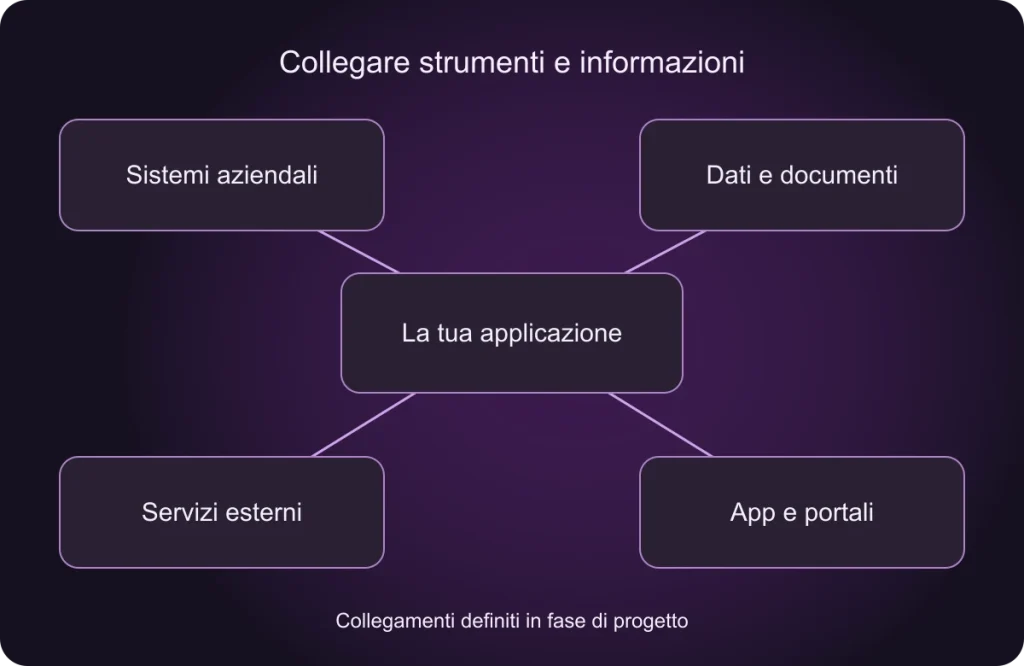
If products, stock or customers are already managed elsewhere, we examine integrations with business systems, warehouses and CRMs. We define which data to exchange, which system updates it and how to verify exchanges before automating them. Software development and integrations .
04 / Catalogue and content
Catalogue and content
that help people choose.
A product page should help people understand what they are buying. We organise categories, variants, information and images so the catalogue can be browsed and updated, with filters and search defined around the store’s needs.
We handle initial SEO setup and agree measurement tools. Product numbers, available materials, data cleansing and upload tasks form part of the scope. Training covers the operations you will perform in your store. SEO and training .
05 / Testing and migration
Check the journey
before opening.
We share structure and interfaces, develop features and prepare the agreed data. Before launch, we check the steps from product to order: cart, checkout, test payments and communications, including on mobile devices.
When rebuilding an existing store, we assess transferable products, customers and orders, alongside URLs and redirects. We plan the transition with those responsible for operations, distinguishing preparation, checks and launch.
06 / Ongoing support
Maintenance and support
to keep selling.
After launch, we support the project through the agreed service. Platform updates, module compatibility and new operational needs are assessed over time.
Hosting, maintenance and support07 / Frequently asked questions
Before we begin.
Who uploads the products?
We agree quantities, data format and responsibilities. We can plan an initial upload, an import or staff training.
Can we retain the current store?
We assess platform, access, data and integrations to choose between improving the existing store and rebuilding it.
Are all modules and external services included?
Licences, subscriptions, fees and third-party services are identified separately in the project.
How are costs and timescales defined?
Catalogue, commercial rules, migrations and integrations determine the work involved. The quotation separates initial development from subsequent services.
Portfolio
Related projects.
New stores, rebuilds and work on existing ecommerce platforms: selected projects we support.
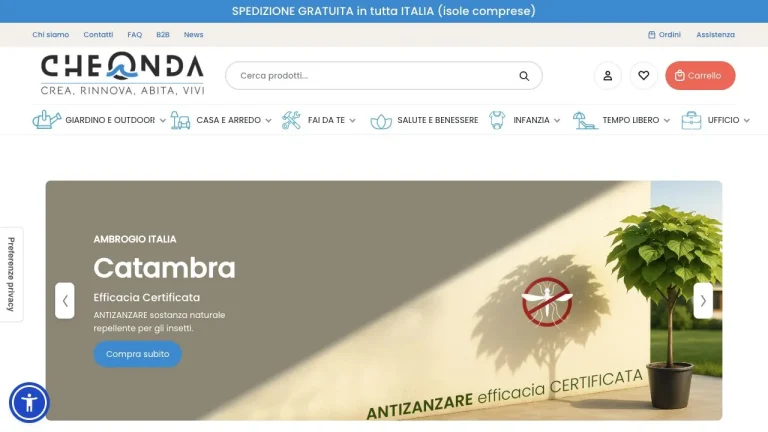
Cheonda: WooCommerce support and development
Since January 2026, we have supported an existing online store: understanding its structure, reviewing its features and addressing new needs is ongoing work.
Explore the project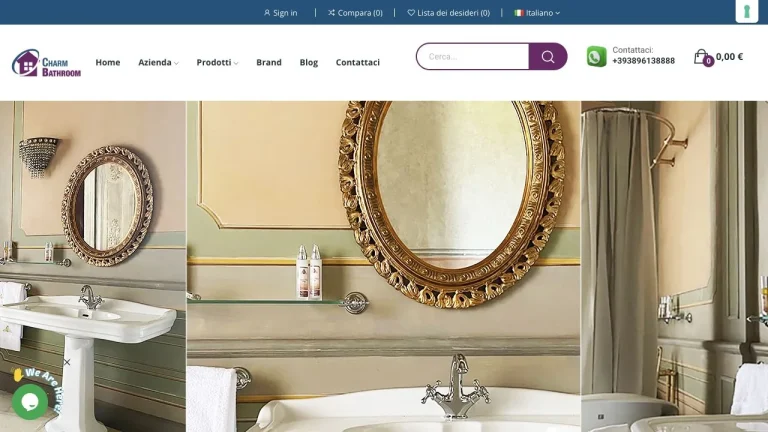
Charm Bathroom: a PrestaShop online store
A collaboration that began with support for the previous store led to a PrestaShop rebuild, keeping the catalogue and long-term management at its centre.
Explore the project
Maffei Shop: fashion ecommerce on PrestaShop
A fashion store supported from initial development to later visual updates: the Maffei Shop project describes work on its catalogue and presentation over time.
Explore the project08 / Start here
Let’s design your online store.
Tell us what you sell, how you manage orders and which tools need to connect to the store. If you already have an online store, send us its address.